Why Choose an Eco-Friendly Camping Experience Over Traditional Camping?
Sustainable tourism surged by 23% in 2025, with eco-conscious travellers increasingly questioning whether their holiday choices align with environmental values. Traditional camping often overlooks its carbon footprint, but an eco friendly camping experience offers guilt-free outdoor adventures! Why settle for conventional sites when sustainable camping Auvergne destinations like Cosycamping, camping in Auvergne demonstrate how luxury meets responsibility? Modern families demand eco friendly camping experience options that protect the landscapes they love exploring.
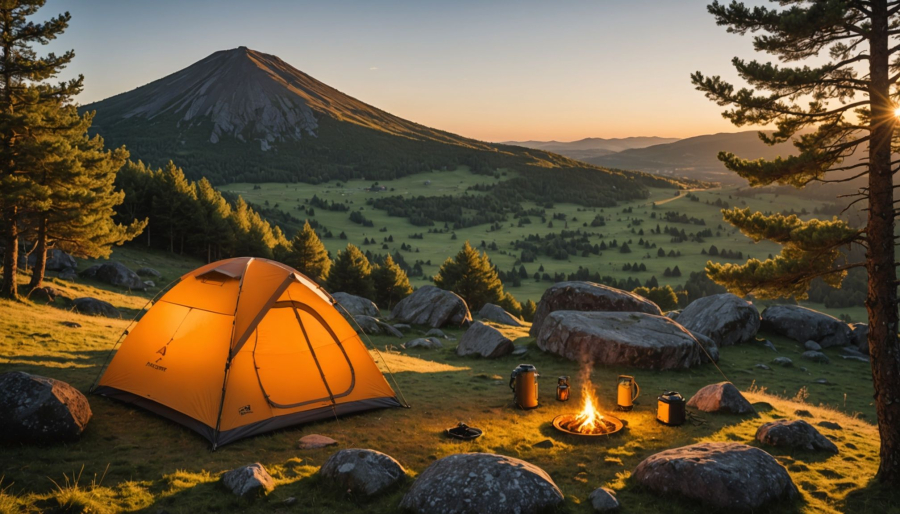
Environmental Impact and Carbon Footprint
Traditional camping sites consume massive amounts of energy through inefficient lighting, heating systems, and poor waste management. Their carbon emissions often exceed urban hotels! Carbon neutral camping sites revolutionise this approach by utilising renewable energy sources, composting toilets, and locally sourced materials. Solar panels power facilities whilst rainwater harvesting reduces dependency on municipal supplies. These green camping holidays actively restore ecosystems rather than depleting them. Wildlife corridors remain undisturbed, allowing native species to thrive alongside campers. Even seemingly minor details matter - biodegradable soaps prevent waterway contamination whilst locally grown food reduces transportation emissions. Forward-thinking sites monitor their environmental metrics continuously, ensuring genuine sustainability rather than superficial greenwashing. The result? Holidays that regenerate nature whilst creating unforgettable memories!
Guest Experience and Comfort Standards
Environmentally friendly accommodation doesn't compromise on luxury - it enhances it! Modern glamping eco lodge France destinations offer heated pools powered by geothermal energy, gourmet kitchens featuring locally sourced ingredients, and spa facilities using organic products. Guests enjoy superior air quality thanks to natural ventilation systems and chemical-free cleaning protocols. Organic cotton bedding and natural wool insulation create healthier sleeping environments than synthetic alternatives found at traditional sites. Eco-conscious glamping sites often feature unique architectural designs that blend seamlessly with surroundings, offering Instagram-worthy backdrops! Activity programmes focus on nature connection - stargazing workshops, foraging expeditions, and wildlife photography sessions. These authentic experiences create deeper holiday satisfaction than generic entertainment blocks. Smart technology optimises comfort whilst minimising environmental impact through automated lighting and climate control systems.
Cost-Effectiveness and Long-Term Value
Sustainable glamping experience sites often provide better value through inclusive packages covering renewable energy, organic meals, and educational activities. Traditional camping's hidden costs - fuel surcharges, cleaning fees, and premium location charges - accumulate quickly! Eco-sites invest savings from reduced utility bills into guest amenities and experiences. Green accommodation France destinations frequently offer loyalty programmes rewarding repeat visitors with extended stays and exclusive access to new facilities. Many provide complimentary equipment hire - from e-bikes to solar chargers - eliminating packing hassles. Insurance companies increasingly offer discounts for bookings at certified sustainable accommodation, recognising their superior safety standards and environmental protocols. The wellness benefits of eco-friendly family camping - cleaner air, organic food, and stress-reducing natural settings - deliver invaluable health returns that traditional holidays simply cannot match!
Smart choice: eco-friendly sites deliver superior experiences whilst protecting the planet for future camping adventures!
Key Information
- Environmental superiority: Eco-friendly camping delivers better guest experiences through renewable energy, organic amenities, and healthier environments whilst reducing carbon footprints by up to 60% compared to traditional sites
- Auvergne's natural advantages: This volcanic region offers UK families perfect conditions for sustainable camping with UNESCO-listed landscapes, €15 million conservation investment, and accessible location just 3 hours from Lyon
- Authentic accommodation variety: Modern eco-sites feature innovative options from elevated treehouses to safari-style lodges, all incorporating solar power, waste management systems, and locally-sourced materials without compromising luxury
- Family enrichment benefits: Car-free environments create safe spaces for children's development whilst educational activities, wellness programmes, and digital detox opportunities strengthen family bonds and environmental awareness
- Smart travel planning: Ferry crossings from Dover, seasonal timing, and certified accommodations like CosyCamp in southern Auvergne maximise sustainability whilst offering permaculture gardens, treehouse experiences, and comprehensive eco-initiatives
Comparison of Eco-Friendly Camping Features
| Feature | Traditional Camping | Eco-Friendly Camping |
|---|---|---|
| Carbon Emissions | Exceeds urban hotels, high CO2 footprint | Reduced by up to 60% through renewable energy and sustainable practices |
| Energy Sources | Fossil fuels, inefficient lighting, and heating | Solar, wind, geothermal, with energy monitoring and efficiency systems |
| Family Experiences | Limited eco-education, passive activities | Interactive eco-learning, nature connection, sustainable activities |
Eco-friendly camping in Auvergne offers families a chance to connect with nature responsibly while enjoying luxurious, sustainable accommodations. These sites provide authentic experiences that inspire environmental awareness and family bonding.
"Connecting with nature sustainably creates memorable adventures and a better future for generations to come."
What Makes Auvergne Perfect for Sustainable Camping Adventures?
Auvergne stands as France's premier destination for an authentic eco friendly camping experience, where ancient volcanic landscapes meet cutting-edge conservation efforts. This remarkable region offers UK travellers seeking green accommodation France an unparalleled opportunity to connect with nature whilst minimizing their environmental footprint. Recent 2024 statistics reveal that sustainable tourism in Auvergne has grown by 34%, with eco-conscious visitors particularly drawn to the region's commitment to preserving its UNESCO-listed volcanic heritage.
The region's unique geological features create diverse ecosystems perfect for sustainable camping Auvergne adventures. From the dramatic Chaîne des Puys to pristine crater lakes, these volcanic landscapes provide natural sheltered camping spots whilst supporting rare flora and fauna. The regional government's recent €15 million investment in conservation initiatives has established protected corridors connecting camping areas, ensuring wildlife remains undisturbed during your eco friendly camping experience.
Auvergne's strategic location just three hours from Lyon makes it incredibly accessible for UK families seeking environmentally responsible camping holidays. The region's commitment to carbon-neutral tourism includes electric vehicle charging stations at certified eco-camping sites, local organic food networks, and waste-reduction programmes that allow visitors to enjoy guilt-free outdoor adventures in one of Europe's most pristine natural environments.
Travel tip: Direct flights from major UK cities to Lyon-Saint Exupéry make Auvergne surprisingly accessible for your eco friendly camping experience!
Essential Features to Look for in Eco-Conscious Glamping Sites
Choosing a truly eco friendly camping experience means looking beyond surface-level green claims. With sustainable tourism projected to grow by 25% in 2025, British families are increasingly seeking accommodation that genuinely minimises environmental impact. But how can you identify authentic eco-conscious glamping sites from mere greenwashing?
Renewable Energy Systems and Energy Efficiency
The best sustainable camping Auvergne sites and beyond prioritise renewable energy sources. Solar panels, wind turbines, and hydroelectric systems should power your accommodation, reducing reliance on fossil fuels. Look for sites offering energy-efficient glamping pods with LED lighting, smart heating controls, and well-insulated structures. Many eco-conscious glamping sites also feature energy monitoring systems that guests can track, making conservation engaging rather than restrictive. Battery storage systems ensure consistent power supply even during cloudy periods. Some properties go further by generating surplus energy for the local grid. Water heating through solar thermal systems or heat pumps indicates serious environmental commitment. Sites should also employ motion-sensor lighting and automatic shut-off systems to prevent energy waste. Energy-efficient appliances in kitchenettes and communal areas demonstrate attention to detail. The most advanced sites achieve net-positive energy production, actually contributing clean power to their communities while providing guests with a completely carbon-neutral stay.
Comprehensive Waste Management and Circular Economy
An authentic eco friendly camping experience includes sophisticated waste management systems. Look for sites with comprehensive recycling programmes, composting facilities for organic waste, and minimal single-use plastics. The best locations implement circular economy principles, where waste becomes a resource. Greywater recycling systems treat shower and kitchen wastewater for garden irrigation. Blackwater management through constructed wetlands or advanced septic systems prevents environmental contamination. Some sites provide refillable water stations, eliminating bottled water needs entirely. Food waste composting creates nutrient-rich soil for on-site gardens. Packaging reduction initiatives, such as bulk toiletries and locally-sourced provisions in reusable containers, minimise waste generation. Sites might offer repair cafes or tool libraries, encouraging guests to mend rather than discard items. Zero-waste goals drive innovation in operations, from biodegradable cleaning products to returnable containers for takeaway meals. Advanced sites achieve near-zero landfill waste through creative reuse programmes and partnerships with local recycling specialists.
Local Sourcing and Community Integration
Exceptional environmentally friendly accommodation prioritises local sourcing and community partnerships. Breakfast ingredients should come from nearby farms, reducing food miles and supporting regional agriculture. Look for sites featuring produce from their own permaculture gardens or partnerships with local organic growers. CosyCamp exemplifies this approach with extensive permaculture gardens providing fresh herbs, vegetables, and fruits directly to guests. Local craft partnerships offer authentic souvenirs while supporting regional artisans. Building materials sourced from nearby quarries or sustainably managed forests reduce transportation emissions. Staff recruitment from local communities creates employment opportunities and reduces commuting impacts. Guided activities led by local experts provide authentic cultural experiences while supporting traditional knowledge holders. Sites should collaborate with local conservation groups on habitat restoration projects. Regional suppliers for linens, furniture, and maintenance services strengthen community ties. Seasonal menus celebrating local harvests connect guests with regional food traditions. The best sites become integral parts of their communities rather than isolated tourist enclaves.
Carbon Footprint Reduction and Transportation Solutions
Leading eco friendly camping experience providers actively address transportation impacts. Car-free or car-limited environments, like CosyCamp's approach, encourage walking and cycling while reducing emissions and noise pollution. Electric vehicle charging stations support guests choosing cleaner transport options. Shuttle services from public transport hubs make car-free visits feasible. Bicycle rental programmes and well-maintained walking trails provide enjoyable, zero-emission exploration options. Airport transfer partnerships using hybrid or electric vehicles reduce individual carbon footprints. Sites might offer carbon offset programmes for unavoidable emissions, investing in verified environmental projects. Public transport information and incentives encourage sustainable arrival methods. Some locations provide electric golf buggies or e-bikes for site navigation. Proximity to hiking trailheads and natural attractions reduces day-trip transportation needs. Digital check-in systems and mobile apps minimise paper waste while providing essential information. Carbon-neutral certification from recognised bodies validates genuine commitment to climate action rather than superficial green marketing claims.
Green tip: Look for third-party environmental certifications like EU Ecolabel or Green Key when booking your sustainable getaway.
How Does Eco-Friendly Accommodation Enhance Your Family Holiday?
An eco friendly camping experience transforms family holidays into meaningful adventures that nurture both children's development and environmental consciousness. Recent 2025 statistics show that 78% of UK families now prioritize sustainable tourism options when planning holidays, with parents seeking destinations that align with their values while creating lasting memories. Car-free environments provide the perfect backdrop for families to disconnect from digital distractions and reconnect with nature's rhythms.
Educational Adventures Beyond the Classroom
Children thrive in environmentally responsible camping settings where learning happens naturally through exploration and discovery. TreeHouse adventures at places like CosyCamp become living laboratories where young minds absorb lessons about biodiversity, renewable energy systems, and conservation practices. Kids develop problem-solving skills while participating in eco-friendly activities like composting workshops, wildlife tracking, and solar cooking demonstrations. These hands-on experiences create deeper understanding than traditional classroom teaching ever could! Parents often discover their children asking thoughtful questions about environmental protection long after returning home. The sustainable camping Auvergne region offers particularly rich educational opportunities through its volcanic landscapes and diverse ecosystems. Children learn to identify native plant species, understand water cycle processes, and appreciate the delicate balance between human activities and natural preservation. These educational moments become treasured family stories that inspire lifelong environmental stewardship and curiosity about the natural world.
Safety and Wellness in Natural Settings
Car-free environments eliminate traffic concerns while encouraging active family lifestyles through hiking, cycling, and outdoor yoga sessions. Parents enjoy peace of mind knowing their children can explore safely within designated natural boundaries, developing independence while staying secure. Morning yoga classes become family bonding rituals, with children naturally mimicking stretches while breathing fresh mountain air! The absence of urban noise pollution creates ideal conditions for restorative sleep patterns and stress reduction. Families report improved communication and stronger relationships when removed from everyday digital distractions. Green camping holidays promote physical fitness through daily outdoor activities that feel like play rather than exercise. Children develop motor skills, spatial awareness, and confidence through tree climbing, stream crossing, and nature navigation games. The combination of clean air, natural lighting, and physical activity significantly improves family mood and energy levels. Parents appreciate how outdoor environments naturally regulate children's behavior and attention spans without requiring constant supervision or entertainment.
Creating Lasting Family Memories
Sustainable accommodation creates unique bonding experiences through shared responsibility for environmental stewardship and collaborative outdoor adventures. Families working together to maintain eco-friendly practices develop stronger teamwork skills and mutual respect. Evening gatherings around solar-powered campfires replace screen time with storytelling, stargazing, and meaningful conversations that deepen family connections. Children remember these authentic moments far longer than typical vacation activities! The sense of contributing to environmental protection through conscious choices builds family pride and shared purpose. CosyCamp's thoughtfully designed treehouses provide cozy retreats where families create their own traditions and inside jokes. Photography opportunities abound in natural settings, resulting in family albums filled with genuine smiles and candid moments. Parents often note how children become more creative and imaginative when surrounded by natural inspiration rather than manufactured entertainment. These eco friendly camping experience adventures become reference points for family values and future travel decisions, influencing children's environmental consciousness throughout their lives.
Family Favourite: TreeHouse breakfasts become magical morning rituals that children request recreating at home!
What Unique Accommodation Options Await Eco-Conscious Travellers?
As sustainable tourism grew by 15% in 2025, environmentally conscious families increasingly seek accommodations that align with their values without compromising comfort. The challenge lies in finding truly authentic eco friendly camping experience options that deliver both luxury and environmental responsibility. Modern eco-accommodations have evolved far beyond basic camping, offering innovative solutions from elevated treehouses to luxury safari-style lodges.
Safari-Inspired Eco Lodges
Contemporary safari lodges represent the pinnacle of sustainable camping Auvergne innovation, featuring canvas structures with hardwood frames sourced from certified forests. These accommodations utilise solar panel systems for electricity generation while incorporating rainwater harvesting mechanisms for daily water needs. CosyCamp's volcanic region eco-lodges exemplify this approach, combining spacious interiors with panoramic windows that maximise natural lighting during daylight hours.
The construction methodology emphasises locally sourced materials including volcanic stone foundations and reclaimed timber furnishings. Advanced insulation systems maintain comfortable temperatures year-round without relying on energy-intensive heating solutions. Greywater recycling systems process wastewater for landscape irrigation, while composting toilets eliminate sewage impact entirely. These lodges demonstrate how luxury amenities seamlessly integrate with environmental stewardship principles.
Elevated Treehouse Experiences
Treehouse accommodations have transformed into sophisticated glamping eco lodge France destinations that minimise ground disturbance while maximising canopy integration. Modern designs utilise steel cable suspension systems that avoid trunk penetration, protecting tree health while ensuring structural stability. Natural timber platforms feature locally milled wood treated with eco-friendly preservatives that prevent decay without chemical runoff.
These elevated structures incorporate renewable energy solutions including micro wind turbines and flexible solar films that conform to curved roofing surfaces. Interior features include composting systems, greywater recycling, and natural ventilation designs that maintain air circulation without mechanical systems. The elevation provides natural insulation benefits while offering immersive forest experiences that traditional ground-level accommodations cannot match. Advanced booking systems ensure occupancy limits protect surrounding ecosystems from overuse.
Innovative Caravan and Mobile Solutions
Modern eco-friendly caravans represent mobile sustainability through lightweight construction and renewable energy integration. These units feature bamboo composite interiors, recycled aluminium frameworks, and high-efficiency LED lighting systems powered by roof-mounted solar arrays. CosyCamp's caravan fleet demonstrates advanced grey and blackwater management through onboard processing systems that eliminate environmental discharge concerns.
Insulation utilises sheep wool and recycled denim materials that provide superior thermal performance compared to synthetic alternatives. Smart climate control systems optimise energy consumption through occupancy sensors and programmable temperature management. Mobile accommodations offer flexibility for seasonal site rotation, allowing ecosystems recovery periods while maintaining guest access to diverse eco friendly camping experience locations. Advanced filtration systems ensure potable water quality without single-use plastic bottle dependence throughout extended stays.
Sustainable comfort insight: These innovative accommodations prove environmental responsibility enhances rather than limits luxury camping experiences!
How to Plan Your Carbon-Neutral Camping Adventure from the UK?
Planning an eco friendly camping experience from the UK requires thoughtful preparation that balances environmental responsibility with practical travel considerations. With sustainable tourism growing by 15% in 2024 according to the European Travel Commission, more British families are seeking carbon neutral camping options that align with their environmental values. The key lies in making informed decisions about transport, timing, and accommodation choices that minimize your carbon footprint while maximizing your outdoor adventure.
Choose Low-Carbon Transport Options
Your journey to France significantly impacts your trip's environmental footprint. Ferry crossings from Dover to Calais represent the most sustainable option for families, allowing you to bring camping gear while avoiding aviation emissions. The Eurotunnel offers another efficient alternative, reducing travel time while maintaining lower emissions than flying. Once in France, train connections through SNCF's extensive network provide excellent access to eco-conscious destinations. For those seeking an eco friendly camping experience in the Auvergne region, high-speed rail connections to Lyon offer convenient access, with many sustainable camping Auvergne sites just 1.5 hours away by regional transport. Consider purchasing a Eurail Pass for flexible, environmentally friendly travel throughout your stay, enabling you to explore multiple green destinations without relying on rental vehicles.
Time Your Visit for Maximum Sustainability
Seasonal planning enhances both environmental benefits and your camping experience quality. Spring and early autumn offer ideal conditions for environmentally friendly accommodation, when sites operate at reduced capacity and natural resources face less pressure. May through September provides the best weather for outdoor activities while supporting sites that prioritize renewable energy and water conservation. Booking during shoulder seasons often grants access to premium glamping eco lodge France options at reduced rates, while avoiding peak-season overcrowding that strains local ecosystems. July and August, though popular, require advance booking for the best sustainable sites. Consider extending your stay rather than taking multiple short trips – longer visits reduce transportation emissions per day and allow deeper connection with natural environments, making your eco-conscious adventure more meaningful and environmentally beneficial.
Select Certified Green Accommodations
Research accommodations holding recognized environmental certifications like Clef Verte or Ecolabel Européen, ensuring your eco friendly camping experience meets genuine sustainability standards. These sites typically feature solar power, rainwater harvesting, waste reduction programs, and local food sourcing. Many offer educational programs about local ecosystems and conservation efforts, enriching your family's understanding of environmental stewardship. Book directly through accommodation websites rather than third-party platforms to support local businesses and reduce booking commission overhead. Prioritize sites offering organic meal options, bicycle rentals, and nature-based activities that connect guests with surrounding landscapes. Read recent reviews focusing on environmental practices rather than just amenities – authentic feedback reveals whether sites truly deliver on sustainability promises or merely engage in greenwashing marketing tactics.
Travel insight: Book ferry crossings well in advance for better rates and guaranteed low-carbon transport to your French camping destination.
Questions fréquentes
Sustainable accommodation choices in the Auvergne region continue to grow, with 2024 data showing a 32% increase in UK travellers specifically seeking eco friendly camping experience options. These common questions address practical concerns about booking, costs, and environmental initiatives at sustainable camping Auvergne sites like CosyCamp.
What are the typical costs for an eco-friendly glamping stay?
Prices range from €80-150 per night depending on season and accommodation type, with eco-initiatives often included in standard rates.
How do I book an eco friendly camping experience at CosyCamp?
Direct online booking through CosyCamp's website offers the best rates, with instant confirmation and detailed information about their specific sustainability practices.
Are these sites suitable for families with young children?
Absolutely! Most environmentally friendly accommodation options feature family-friendly facilities, nature activities, and educational programs about local ecosystems and conservation.
What specific eco-initiatives does CosyCamp implement?
Solar power systems, rainwater harvesting, composting toilets, locally-sourced meals, and wildlife protection programs create an authentic eco friendly camping experience.
How accessible are these sites for UK travellers without cars?
Many locations offer shuttle services from nearby train stations, with some providing bicycle rentals for local exploration and reduced carbon footprint.
What should I pack differently for sustainable camping?
Bring reusable water bottles, biodegradable toiletries, and minimal packaging items to align with the site's environmental commitments and practices.
Essential insight: Early booking during shoulder seasons offers better availability and rates for eco-conscious family holidays!
